The Pacific region has long been recognized for its unique cultural heritage, breathtaking landscapes, and diverse ecosystems. However, it also faces a range of developmental challenges that necessitate innovative solutions. Numerous development projects pacific pacific ngo projects have emerged in recent years, aiming to uplift the lives of local communities while ensuring sustainability and resilience against climate change. This article delves into notable development projects across the Pacific, highlighting their impact, challenges, and the role of various stakeholders in fostering growth.
The Pacific Development Landscape
The Pacific Islands consist of a multitude of countries, each with distinct cultures, economies, and challenges. Development initiatives in this region often focus on several key areas, including education, health, infrastructure, and environmental protection. Given the islands’ vulnerability to climate change, many projects aim to enhance resilience, ensuring communities can thrive despite external pressures.
Education and Capacity Building
Education plays a crucial role in any development project, and in the Pacific, it is no exception. Various NGOs and government initiatives focus on improving access to quality education, particularly for marginalized groups, including girls and remote communities. Programs are designed not only to enhance traditional curricula but also to instill skills relevant to local economies and labor markets.
For instance, projects like the ‘Education for All’ initiative in Fiji aim to provide training for teachers, enhance school infrastructure, and develop community learning centers. Capacity-building programs empower local educators with the necessary tools and methodologies to engage students and adapt to the ever-changing demands of the modern workforce. As a result, these initiatives foster sustainable development by equipping the next generation with the skills needed to succeed.
Health Initiatives
Many Pacific nations grapple with health challenges, from communicable diseases to non-communicable diseases (NCDs) driven by lifestyle changes. Health projects seek to tackle these issues through preventive measures, community health education, and improving healthcare access. For instance, in Papua New Guinea, organizations have implemented programs to combat NCDs by promoting healthy lifestyles, emphasizing nutrition, and encouraging physical activity.
Moreover, mental health is becoming a focal point for development projects in the region. Initiatives are being rolled out to address the stigma surrounding mental health issues, with community-based programs providing support and resources to those in need. By focusing on holistic health, these projects aim to improve overall well-being and productivity in communities.
Infrastructure Development
Infrastructure is a cornerstone of development projects across the Pacific. Many islands face challenges such as inadequate transport networks, limited access to clean water, and unreliable energy sources. Addressing these challenges is vital for economic growth and social inclusion.
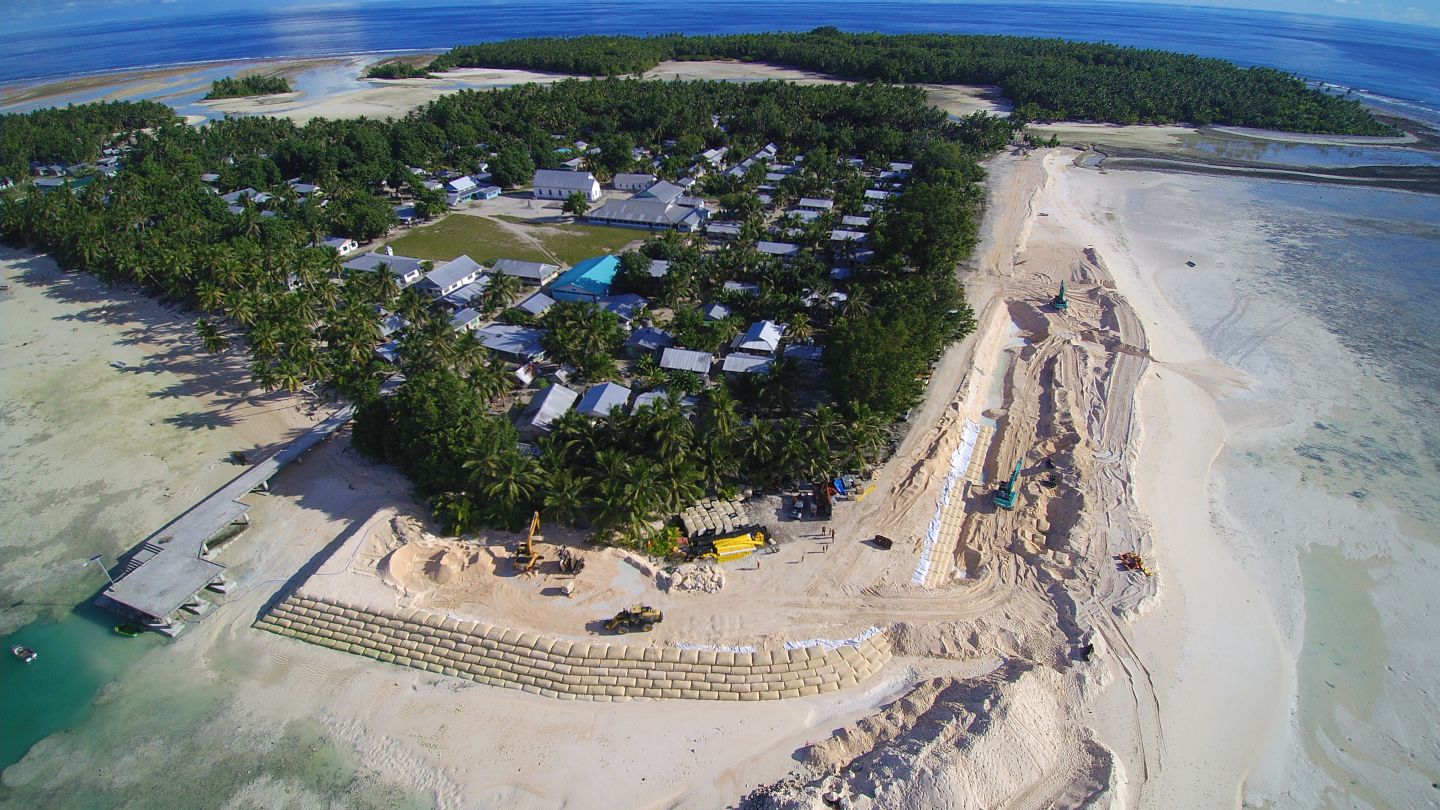
For example, the construction of roads, bridges, and public utilities not only enhances connectivity but also stimulates local economies by facilitating trade and access to markets. Renewable energy projects, including solar and wind initiatives, are also gaining traction, providing cleaner energy sources while reducing dependence on imported fossil fuels.
Environmental Conservation and Climate Resilience
Given the Pacific’s vulnerability to climate change impacts such as rising sea levels and extreme weather events, environmental conservation projects are critical. Many development initiatives now integrate climate resilience strategies, ensuring that communities can adapt to changing conditions while protecting biodiversity.
Coastal restoration projects, for instance, focus on rebuilding mangrove forests and coral reefs, which serve as natural buffers against storm surges and contribute to marine biodiversity. Community-led conservation efforts empower locals to take ownership of their natural resources, promoting sustainable practices that benefit both the environment and local economies through eco-tourism.
Community Engagement and Empowerment
Successful development projects rely heavily on the involvement of local communities. Engaging community members in the planning and implementation of projects ensures that initiatives are culturally relevant and meet the actual needs of the population. It fosters a sense of ownership and responsibility, leading to greater sustainability.
Participatory approaches such as community forums, workshops, and stakeholder consultations are common. These not only help gather input from locals but also promote transparency and accountability among project implementers. Empowering communities to lead their development processes can yield more impactful and lasting results.
The Role of Partnerships
Given the complexity of development challenges in the Pacific, collaboration between governments, NGOs, international organizations, and the private sector is essential. Partnerships leverage resources, share knowledge, and foster innovation, leading to holistic development approaches.
For instance, the collaboration between local governments and international NGOs in climate adaptation projects has resulted in effective grassroot interventions that address both immediate needs and long-term challenges. By pooling resources and expertise, these partnerships can achieve far more significant impacts than working in isolation.
Challenges and Future Directions
Despite the progress made through various development projects, numerous challenges persist. Limited funding, bureaucratic hurdles, and the impact of climate change remain pressing issues. Additionally, the COVID-19 pandemic has disrupted many initiatives, causing setbacks in achieving development goals.

Looking ahead, a greater emphasis on sustainable development practices and resilience-building will be essential. Projects need to be adaptable and responsive to emerging challenges, ensuring that they remain relevant in a rapidly changing world. Moreover, integrating technology and innovation can enhance project delivery and impact, particularly in remote areas.
Conclusion
The Pacific region’s development landscape is rich with opportunities and challenges. As numerous initiatives unfold, they have the potential to significantly improve the lives of local communities, empowering them to shape their futures. By focusing on education, health, infrastructure, environmental sustainability, and community engagement, development projects in the Pacific can pave the way for a more resilient and prosperous future.